3.4 Capturing Months of Content from One Shoot
The Format Extraction List
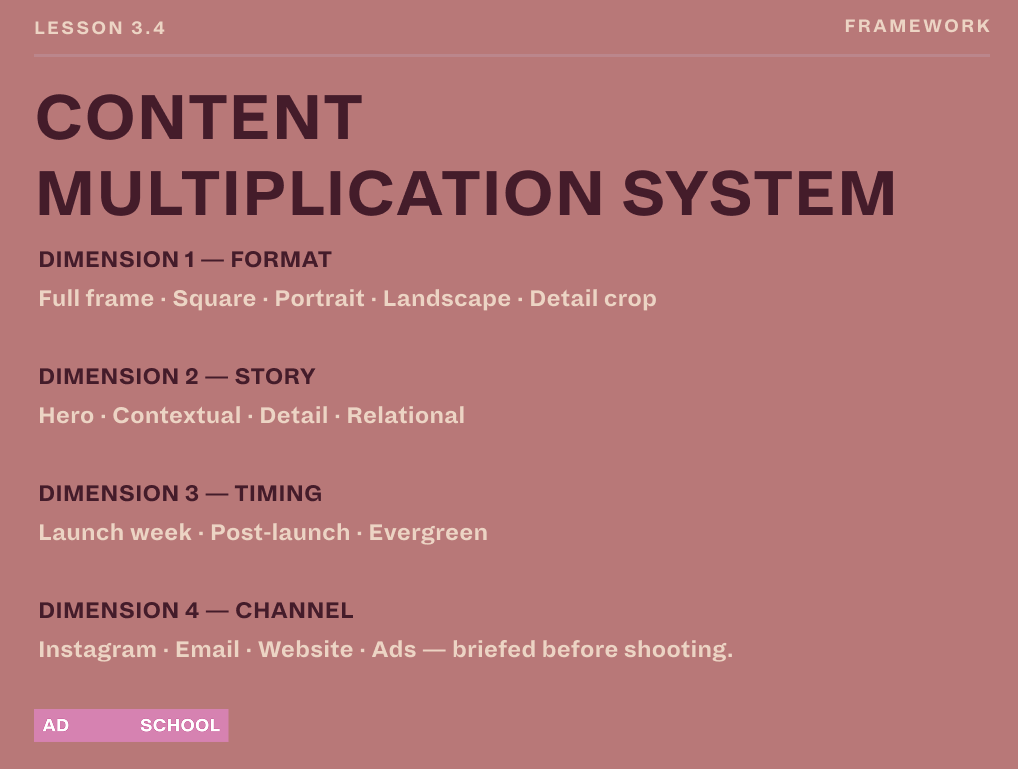
Write this list alongside your shot list. The shot list covers what hero images you need. The format extraction list covers what else you can make while you're already there.
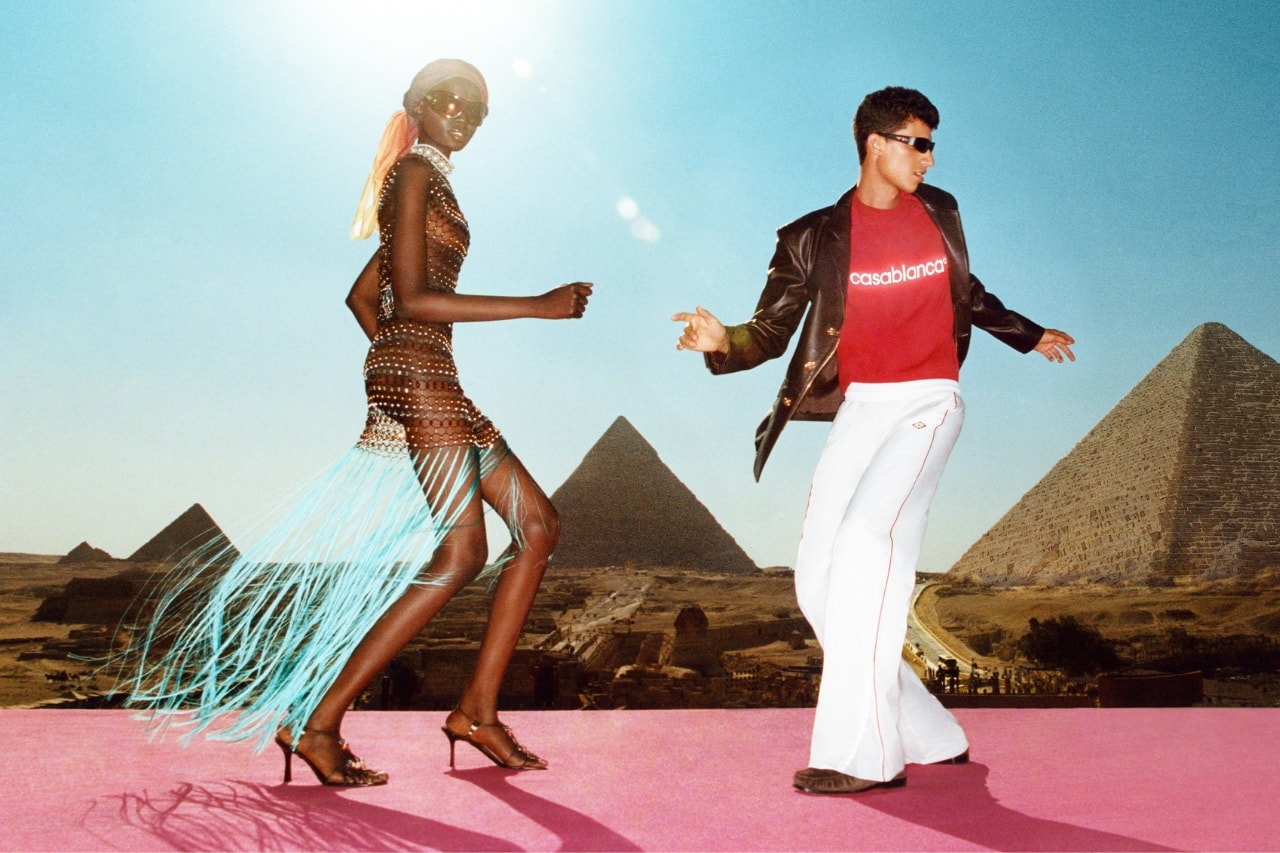
Hero stills: the campaign images. The shoot's primary purpose.
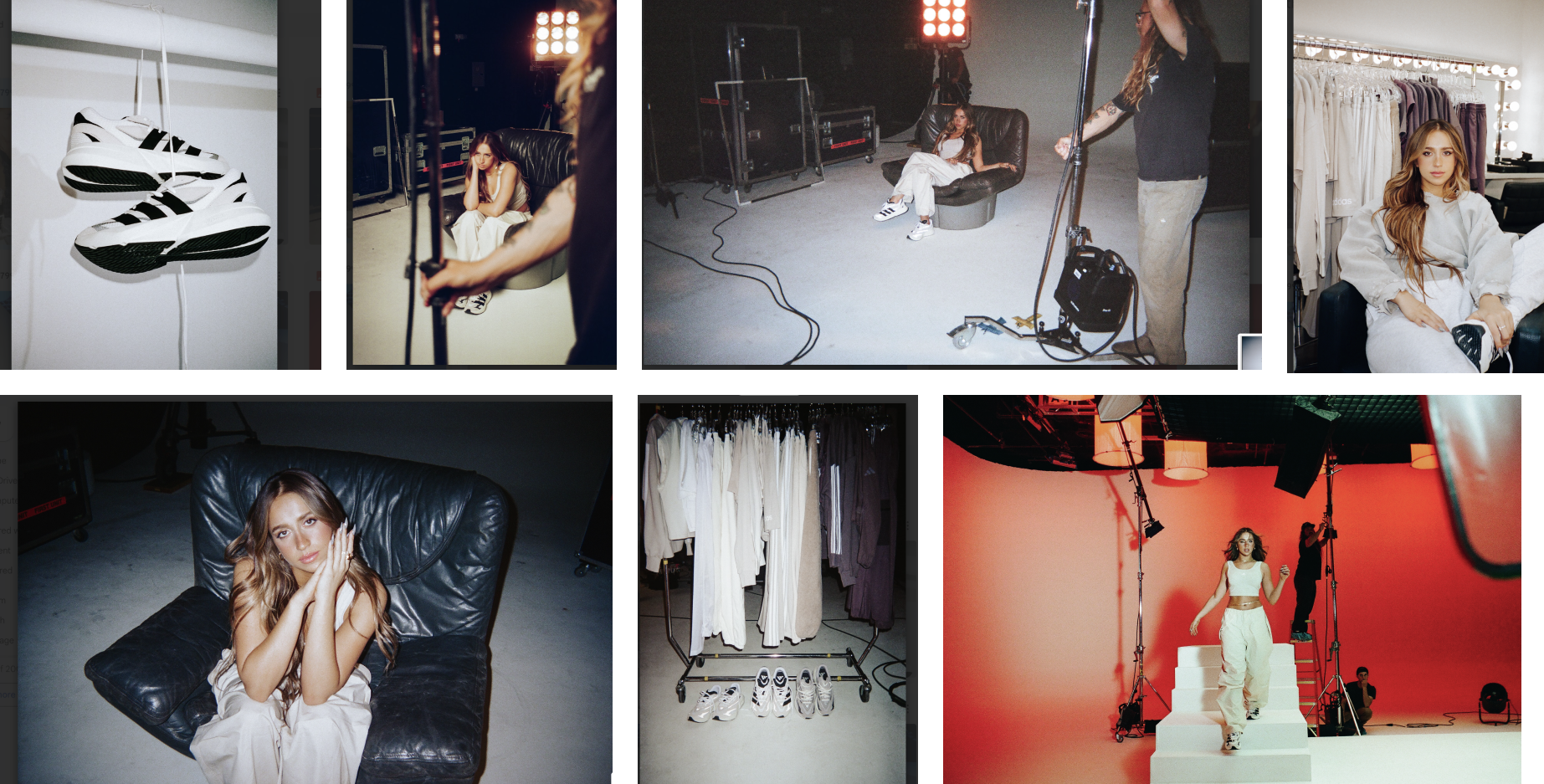
Disposable camera / film: getting ready, between setups, unguarded moments. Becomes BTS content and Stories.
iPhone beauty: close-ups in available light. Skin, texture, product detail. Works for TikTok, Stories, product pages.
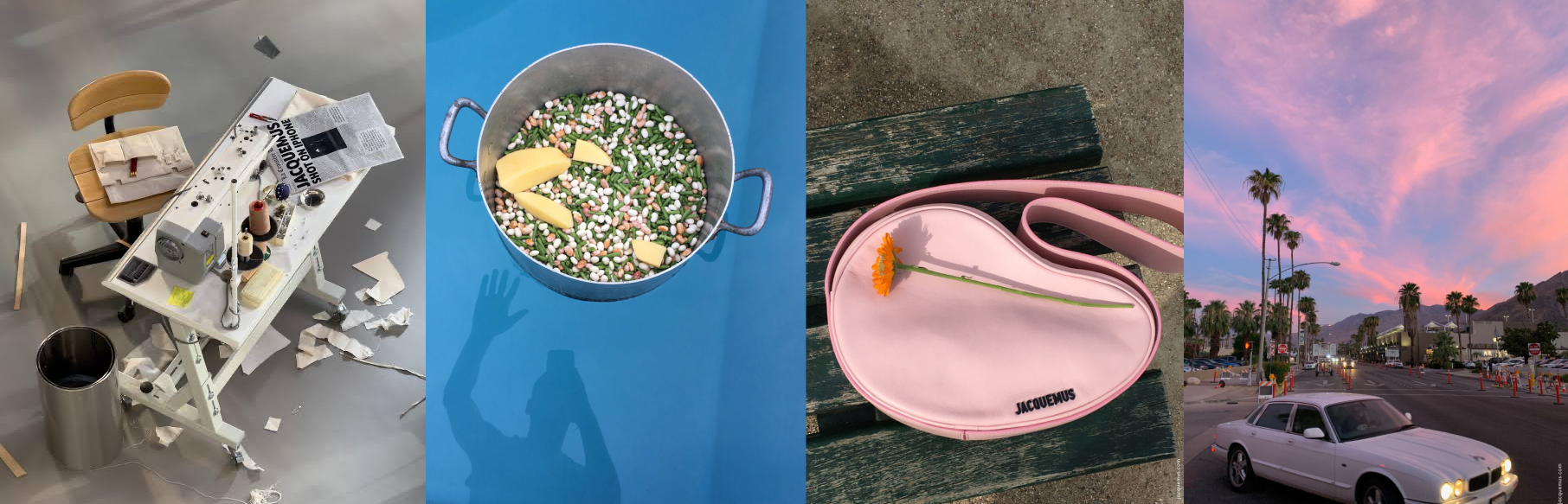
Styling content: each look against a clean background. Three minutes per look. Useful for website and product pages.
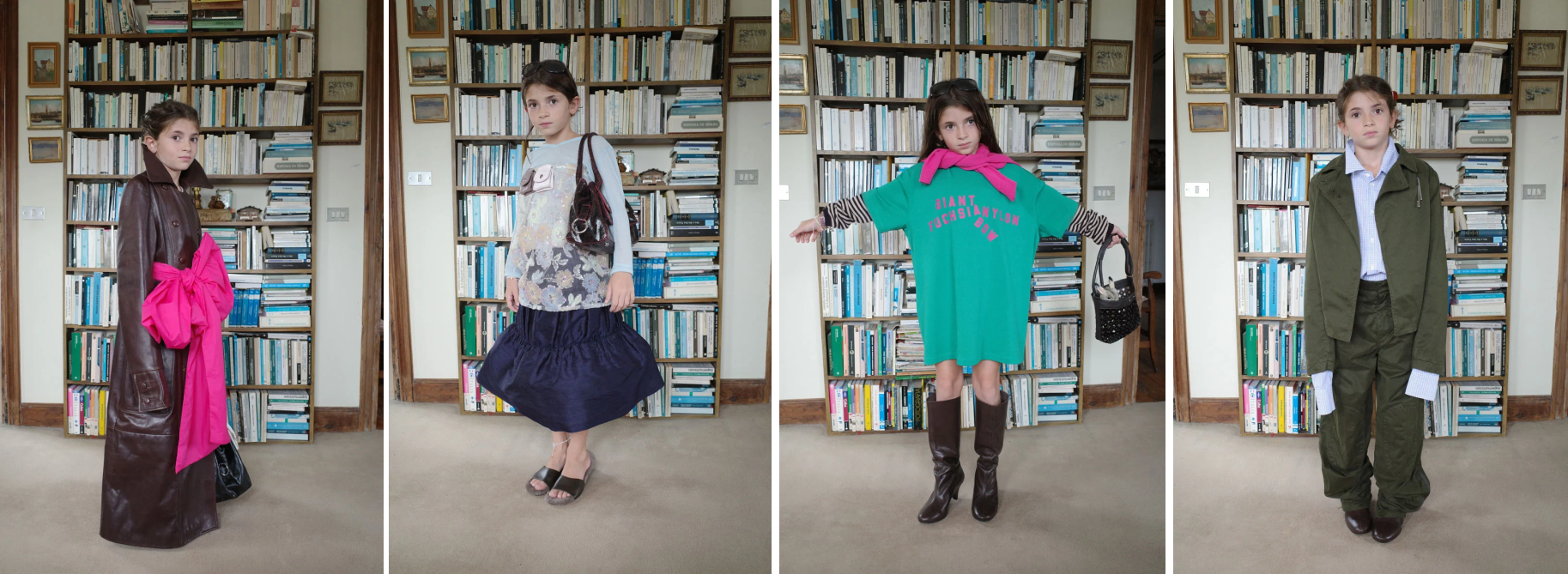
Short video and transitions: look-to-look movement, trending sounds, the subject in motion. Two minutes per clip.
Question content: ask everyone on set the same question and film the answers. Cut together. Human and real.
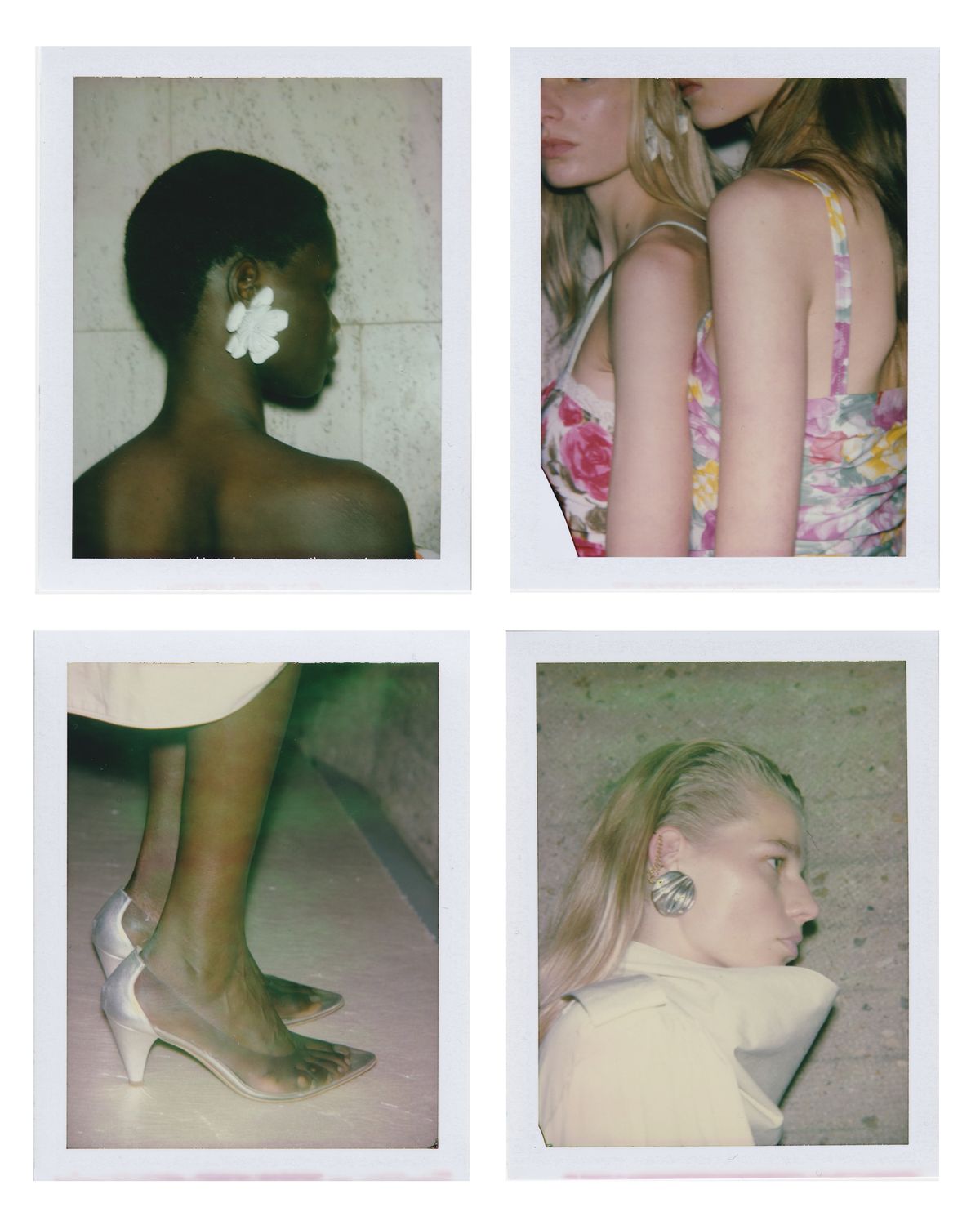
Polaroids: for Stories, BTS posts, texture of realness.
-
Vignettes: fifteen to thirty seconds of the subject moving, the location, the quality of light. The candid footage planned content rarely achieves.
Every shoot has two lists, and most brands only write one.
The shot list covers what you came to produce: the campaign images, the hero stills, the product photography. It's the primary purpose of the session. But alongside it should sit a second list that asks a different question: given that everyone is already here, the light is already working, the styling is already right and the location is already set, what else can we make that is really low effort?
The format extraction list [see framework] is built from an understanding of how different content formats serve different platforms and purposes. A hero still serves a campaign or a website. An iPhone close-up of the product's texture in the same light serves a product page or a TikTok. A thirty-second vignette of the model moving through the space in the same styling serves a Reel or a Story. Question content: filming everyone on set answering the same question, serves a completely different kind of brand storytelling than any of the above. All of it is available in the same session, with the same people, under the same light, at a marginal additional cost of a few minutes per format.
The arithmetic matters. A shoot day that produces hero stills plus BTS film plus close-up texture content plus vignettes plus question content produces six to eight weeks of content from a single investment. The difference is in whether the format extraction list existed in pre-production.
The vignette is the most undervalued item on the list. This is fifteen to thirty seconds of the subject moving naturally, the location doing what it does, the light changing the way light changes over the course of an afternoon. It's the quality of footage that planned content almost never achieves, because planned content is by definition not spontaneous. A vignette collected during the quieter moments of a shoot, between setups, at the end of a session, in the unguarded moments when the camera is still running, produces something no amount of direction can replicate.
The question content is equally undervalued and for the same reason: it produces human, specific, unrepeatable footage from a moment that already exists. The question can be about anything, what they ate for breakfast, what they'd do with one free afternoon, what they've been reading. The answer is the starting point. The candour and specificity of a real person giving a real answer in a real moment is what becomes brand storytelling. Cut together across four or five people, it's a kind of content that neither editorial photography nor product content can produce.
Why this actually matters The shoot is the most expensive creative moment in any production cycle in time, in collaborator fees, in the effort of pre-production. Most brands extract a fraction of what each session could produce. Building the format extraction list into every pre-production process is the highest-return habit change available to a brand working within a limited production budget.
The final lesson in this module zooms out to the level of the whole year: planning a production calendar that sustains consistent visual output without burning out.